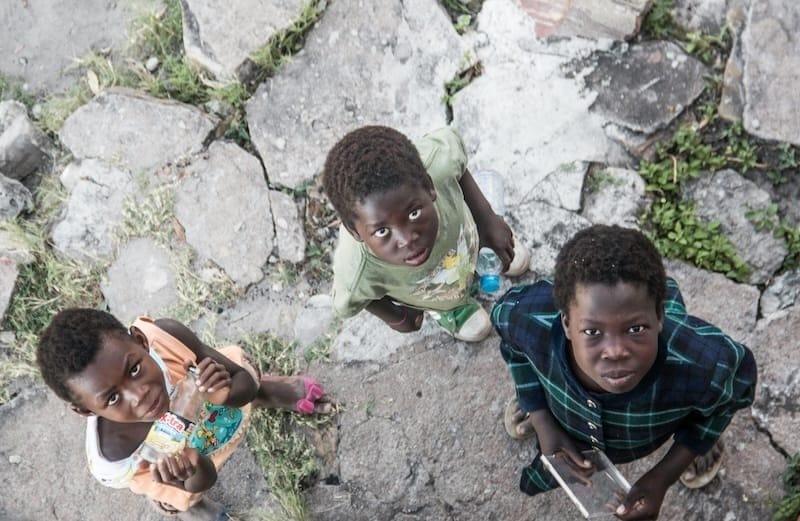
Have you ever thought about visiting an orphanage during your next trip abroad?
Maybe you’ve seen it offered as a day trip, or a friend mentioned how “rewarding” it was.
I get it. You want your travels to mean something.
But here’s what I’ve learned from years of reporting around the world: those visits can create serious problems for the very kids you’re hoping to help. The surprising truth is that about 80% of children in orphanages worldwide still have at least one living parent. They’re not actually orphans in the way you might think.
In this post, I’m going to walk you through what is orphanage tourism and why it’s harmful, how it fuels family separation, and show you safer ways to make a real difference.

How Orphanage Tourism Harms Children and Families
Let me be straight with you. Orphanage tourism may sound caring, but it often leaves deep scars on kids and families.
These dangers of orphanage volunteering abroad are real, painful, and worth your attention.
How does orphanage tourism cause family separation?
Here’s something that shocked me when I started digging into this story: tourist demand for orphanage visits is what actually sparks a rise in new institutions.
It’s not because there are more orphans. It’s because of the lure of tourist dollars.
Many families in places like Nepal, Cambodia, Haiti, and Ghana face poverty, sky-high school fees, or health costs. Some operators prey on this hardship. Parents may send kids away thinking they’ll get food and education. Remember, most of the children in these places have at least one living parent. Most aren’t orphans at all, poverty is the true reason behind their stay.
Operators often mislead struggling parents with promises that sound too good to pass up.
Better schooling. Safety. Daily care.
The cycle deepens when tourists pour money into these homes during volunteer trips. ReThink Orphanages, a global coalition working to prevent unnecessary child institutionalization, found that this system rewards keeping children separated from loved ones instead of supporting them together at home. You end up funding family separation instead of helping real needs.
What is the connection between orphanage tourism and child trafficking?
This is where it gets really dark.
Orphanage tourism often fuels child trafficking. The demand for “orphanage experiences” encourages some facilities to recruit more children, even if they are not true orphans. Children may be taken from their families and placed in institutions where birth records get altered.
Staff might change documents, list parents as dead or missing, and create fake stories about these kids’ backgrounds. Research published in the journal Child Abuse & Neglect in 2024 identified this as “orphanage trafficking,” a form of modern slavery. Many times, families do not know their child is being portrayed as abandoned while still wanting contact.
In 2019, Haiti’s government social welfare agency assessed more than 750 orphanages and identified 3,019 potential victims of trafficking in those institutions.
That’s just one country.
Funds pour into these businesses because tourists want to help vulnerable children. During my travels through Cambodia in 2018, I met a mother who discovered her son’s name on an adoption list after she tried visiting him at a local orphanage. She was heartbroken that he was listed as parentless just to attract donations from foreigners like you and me.
These practices can cross the line into child trafficking since the flow of money supports systems built around deception and separation instead of care for kids. This shows why it’s vital to learn what is orphanage tourism and why it’s harmful before stepping in with good intentions. Doing so protects both children’s futures and your peace of mind.
What are the long-term psychological effects on children?
Constant change in caregivers and quick, emotional goodbyes take a heavy toll on kids.
Child psychology studies show that repeated loss often leads to trust issues, anxiety, or even deep sadness. You might not spot the scars right away, but they can last a lifetime. Some children struggle to form safe attachments down the road. Simple friendships or healthy relationships get tricky.
According to a 2023 research article published in Frontiers in Sustainable Tourism, the limited benefits for children involved in orphanage tourism are outweighed by child protection concerns coupled with negative impacts on child agency, rights, and development.
Feeling abandoned over and over messes with a child’s sense of security.
The dangers of orphanage volunteering abroad include kids learning to mistrust adults, withdraw from others, or cling too easily to strangers who come and go like clockwork every week. Child-safeguarding experts warn these disruptions leave invisible bruises long after you’ve gone home.
@dayveesutton Stop visiting orphanages on vacation. 🛑 80% of those kids have parents! It’s called “Orphanage Trafficking” and your donations are fueling it. Let’s talk about the “Paper Orphan” scam. #TravelTruth #OrphanageTourism #Voluntourism #ResponsibleTravel #ScamAlert #fyp ♬ original sound – Dayvee
Understanding the Growth of Orphanage Tourism
Orphanage tourism keeps growing because more travelers want to do good while on vacation. But the reality is complicated.
Why do travelers make short visits to orphanages?
Tour guides and travel companies often add orphanages to short trip itineraries.
These stops are pitched as a quick way for you to “make a difference” while on vacation. Many Western tourists, hoping for meaningful experiences, join in for these feel-good moments. Operators sell the idea that your short visit helps children, tugging at your heartstrings with pictures and stories.
Short visits let you take photos, play games, or donate gifts, then move along to the next sightseeing spot.
Some travelers even call it “voluntourism” because it feels like charity work squeezed into a busy holiday schedule. A 2023 study published in Frontiers in Sustainable Tourism noted that in the last decade, orphanage tourism has become an increasingly popular altruistic activity. Yet these fast trips rarely put children’s needs first. Instead, they market an emotional rush under the label of doing good. A few hours of smiles can leave kids with years of confusion.
How do businesses profit from Western tourists in orphanage tourism?
Tour operators and orphanages see Western tourists as a source of easy money.
You pay fees to visit or volunteer, sometimes even hundreds of dollars per week. Operators often stage urgent needs, using manipulated documents or heart-tugging stories to spark quick donations. Many places push for immediate cash gifts, rarely offering receipts or explaining how they use the funds.
According to research from Cambodia, all privately run residential care facilities received financial support from international donors, despite two-thirds of them operating without registration or government authorization.
Short-term volunteers keep the cycle spinning.
Every new group brings fresh wallets and eager hands, but also more pressure on children to perform for photos or shows. This “pay-to-play” system puts profits over kids’ well-being. The more travelers seek out these experiences, the more institutions open, even when most local children still have living family who could care for them with proper support.
In chasing profit from orphanage tourism, some businesses ignore what’s best for kids just to meet tourist demand. That’s one big reason why people ask: are orphanages good for children vacation volunteering?
Common Misconceptions About Orphanages
Some people ask, “are orphanages good for children vacation volunteering?”
The truth about these places is full of myths and tricky stories.
There’s much more that travelers like you need to know.
What are “paper orphans” and why do they exist?
“Paper orphans” are kids marked as abandoned or orphaned in official paperwork, even while their parents are alive.
This label often hides the real story.
Orphanages sometimes change children’s birth records for money, listing living parents as dead or “unknown” to boost urgency for donations. You might see signs asking for help and stories that tug at your heartstrings during orphanage volunteering abroad, but those tales can be false.
Research shows these children often have false identity documents to legitimize their classification as orphans. This process is known as “paper orphaning.”
During my travels reporting on what is orphanage tourism and why it’s harmful, I learned how fake documents open doors for child trafficking and family separation. Families may send kids hoping they get an education, not knowing staff rewrite their background. Meanwhile, these “orphans” draw more travelers who hope to do good but actually fund a system based on deception.
The dangers of orphanage volunteering abroad run deeper than most people think. Manipulation of records creates new problems instead of solving old ones. One orphanage in Cambodia reported 70% of its children had living parents back in 2011.
How Orphanage Tourism Affects Children’s Well-being
Kids in orphanages often face deep hurt from strangers coming and going.
What emotional trauma do children experience from orphanage tourism?
Children in orphanages often form quick bonds with volunteers, then lose them just as fast.
This constant cycle of gain and loss leaves deep scars. Little ones may feel abandoned over and over again, which stirs up fear, sadness, or even anger that lingers long after volunteers leave. Repeated goodbyes can make trust tough for these children, so they might pull back from others or attach themselves to strangers too quickly.
Each visit from a new volunteer breaks any sense of stability a child is trying to build.
Research shows these disruptions mess with healthy development and the ability to form secure attachments. The youngest kids face the most risk because their need for steady love runs so high.
They shape how children act, think about relationships, and view themselves for years down the line.
Many kids show signs of emotional trauma from repeated farewells. Some grow wary of trusting adults, acting out or withdrawing as a result. A psychologist once told me during my reporting that disrupted attachment can lead to lifelong struggles with relationships, even long after leaving the institution behind.
This cycle isn’t just sad. It’s one of the hidden dangers of orphanage volunteering abroad you need to understand before packing your bags for so-called “good” work overseas. A psychologist once told me during my reporting that disrupted attachment can lead to lifelong struggles with relationships, even long after leaving the institution behind
In what ways does orphanage tourism violate children’s privacy and dignity?
Children in orphanages often face daily visits from strangers snapping photos, asking personal questions, and sometimes watching them like they are on display.
Many times, these kids must dance or sing for tourists as part of the “experience.”
This turns their lives into attractions. Orphanage tourism markets children as if they are a local sight to see rather than real people who need stability and respect. Some places use sad stories about kids’ pasts to tug at your heartstrings and collect donations. Children’s personal details get shared widely without their consent just to raise money.
From my reporting in Cambodia, I saw how lack of privacy hurt those young people.
Kids told me adults would tour their rooms uninvited. Staff made up fake histories for sympathy fundraising. Little attention was given to safe boundaries with visitors. In many cases, child-safeguarding guidelines were ignored so tourists could “feel good” during vacation volunteering abroad. These experiences can re-traumatize already vulnerable children rather than help them heal or grow stronger.
Changes in the Travel Industry Regarding Orphanage Visits
Big names in travel have pulled the plug on orphanage volunteering after learning about the dangers of orphanage volunteering abroad.
New rules now highlight what is orphanage tourism and why it’s harmful for children.
Which major travel brands have stopped orphanage visits?
You’ll spot many well-known names taking a stand as they fix their travel programs.
- Intrepid Travel stopped all orphanage tours in 2016, saying orphanage tourism hurts kids and families more than it helps. The company, along with its sister brands Peregrine Adventures, Geckos Adventures, The Family Adventure Company, and Urban Adventures, completely removed these visits from itineraries.
- G Adventures ended all visits to children’s homes, joining child-protection campaigns that call out what is orphanage tourism and why it’s harmful.
- World Expeditions dropped orphanages from trips, launching new guidelines for ethical volunteering instead.
- Projects Abroad cut placements in orphanages after reports on child trafficking linked to this practice.
- Responsible Travel removed every trip linked to children’s residential care and tells travelers about the dangers of vacation volunteering at orphanages.
- The Global Sustainable Tourism Council sets standards for child-safeguarding. Top brands now use these rules before building trips with nonprofits.
- In September 2019, the Association of British Travel Agents partnered with Hope and Homes for Children to set up the Orphanage Tourism Taskforce. The founding members include TUI, Intrepid, Exodus, and Projects Abroad.
I saw this shift firsthand while planning a trip to Ghana.
Tour leaders now focus on real local partnerships, not just quick photo ops with children. There’s a reason so many companies changed course. They want your travel dreams safe, fun, and ethical.
What are the guidelines for ethical volunteering in travel?
Helping children while traveling is a big goal for many, but you need to watch out for the dangers of orphanage volunteering abroad.
As someone who’s seen child-focused programs up close around the world, I know ethical action makes a real difference.
- Background checks and proper training are must-haves for every volunteer role with kids. Without these, the risk of harm skyrockets.
- Programs should match volunteers to roles based on actual skills and experience. Never toss an unskilled tourist into sensitive work with vulnerable children.
- Always choose organizations that support family reunification as their main aim, not just filling orphanages or attracting travelers seeking what is orphanage tourism and why it’s harmful.
- Child-protection policies must be clear, public, and followed daily. This includes transparent finances so you aren’t fueling shady operations.
- Short-term placements doing direct care with children get discouraged by travel associations and experts in best practices. You shouldn’t play “pop-in parent.”
- Watch out for fundraising schemes that exploit sad images or stories. Ethical groups use honest marketing that respects kids’ dignity.
- Volunteer opportunities should follow national laws and respect local child-welfare regulations, not just create loopholes for vacation fun.
- Look for companies adopting strong child-safeguarding policies, as recommended by global travel associations aiming to stop harmful orphanage tourism.
- Ethical programs provide supervision to every volunteer working with children. Nobody gets left alone to “wing it,” not even for a minute.
- Give your time to NGOs working inside communities rather than choosing flashy options promising instant fixes. Real change takes teamwork between locals and skilled visitors. The VSO helped launch a “Global Standard for Volunteering in Development” in October 2019, which organizations can use to design responsible volunteering opportunities.
I’ve watched too many travelers arrive wanting to help but leave more confusion behind than solutions when these steps get skipped or rushed.
Stick with these guidelines if you want your impact abroad to be good for everyone involved, instead of risking those dangers of volunteering in orphanages on vacation.
What Should Travelers Watch For Before Volunteering?
Why are background checks and training for volunteers
Background checks act as a safety net for kids in orphanages.
They screen out people who could harm or take advantage of children, which lowers the dangers of orphanage volunteering abroad. Proper vetting is not just red tape. It shows if an organization takes child welfare seriously, or if it’s cutting corners to make quick cash off travelers with good intentions.
Training gives you the tools to work with kids respectfully and safely.
It helps match your skills to suitable volunteer roles that fit what children actually need, instead of just filling spots for eager visitors. If a program skips these steps, big red flag. This often means shady practices might be hiding underneath.
In my own travels reporting on “what is orphanage tourism and why it’s harmful,” I’ve seen that ethical groups always put screening first. They don’t hand over responsibility without making sure you’re ready and child safety comes first.
How can fundraising be exploitative in orphanage tourism?
Fundraising in orphanage tourism often puts money before children’s well-being.
Orphanages sometimes pressure you for immediate cash gifts, skipping receipts and clear tracking. Kids may be told to perform or pose for photos. Their stories become marketing tools without consent. You might spot sad narratives on signs or websites, tugging at your heartstrings instead of showing real needs with transparency.
Your donation can fuel a cycle where children remain in institutions just to attract more foreign aid.
Many times, these funds go unchecked. No audited finances or honest reporting gets shown.
If an organization seems secretive about its spending, that’s a big red flag waving right in front of your face. Children’s privacy and dignity deserve much better than this vacation volunteering model delivers.
Why is family reunification important and when is it missing?
Reuniting kids with their families is the gold standard in child welfare.
Global experts and official guidelines say family-based care is healthier for growth than any institution could ever be. Groups that skip reunification often place profit over children’s needs or ignore national laws. If you spot an orphanage that never talks about returning children home, steer clear.
I’ve reported from places where “volunteering” just keeps kids stuck inside, all while draining foreign wallets.
Lack of focus on reuniting families often means no one works with government child-welfare authorities at all. Too many organizations treat children like long-term guests instead of doing what’s best for them, getting them back into safe homes when possible.
This practice collides with what leading voices call ethical travel and harms each child’s chance at a real family life.

What Are Ethical Alternatives to Orphanage Volunteering?
Ever ask yourself, “are orphanages good for children vacation volunteering?”
You have plenty of better choices that help kids stay with their families and avoid the dangers of orphanage volunteering abroad.
How can travelers support family reunification efforts?
Support goes further by choosing to back groups with clear family reunification goals, instead of those running orphanages.
Donations should help programs offering education, healthcare, and social support for families. These efforts keep kids where they belong. Ask organizations how many children return to their families each year before you give money or time.
Funding family-based care helps break the cycle that feeds “orphanage tourism” and the dangers of orphanage volunteering abroad.
For example, Hope and Homes for Children has helped close 130 orphanages since 1994 and transitioned more than 18,474 children into family-based care. Their model works with local governments and child welfare partners to safely reunite children with their birth families.
You have power as a traveler. Speak up for policies that put child welfare first. Advocacy can spark bigger change. Push travel companies and local governments to fund community solutions rather than institutions. Channel your energy into causes proven to work. Global experts agree that reuniting children safely with parents gives them better futures compared to institutional care.
What does investing in community-based services involve?
Investing in community-based services means strengthening local resources so kids can stay with their families, not end up in orphanages.
Your support helps fund schools, clinics, healthy meals, and safe spaces for children. With strong education and healthcare nearby, parents face less pressure to give up their kids because of poverty or sickness. Local projects may offer job training or parenting classes too. Real tools that help families stay together.
You can get involved by volunteering at a neighborhood school instead of an orphanage or raising funds for health programs that reach the most vulnerable.
Many travelers have shared how giving to these programs makes a bigger mark than short-term “orphanage volunteering.” When you use your travel dollars wisely on these solutions, you chip away at the root causes of family separation. The very issues pushing children into institutions in the first place.
This approach is sustainable. It keeps communities thriving long after your vacation ends while avoiding dangers linked with orphanage tourism and child trafficking abroad.
How can travelers engage in ethical volunteering programs?
Start by picking ethical programs that do background checks and train every volunteer.
Choose work that matches your skills, not short stints with direct, unsupervised care of kids. Look for clear child-protection policies. These should be easy to find on a group’s website or in their welcome packet.
Ethical volunteering puts the children’s needs first and works within local child welfare systems.
Local professionals supervise volunteers and offer support if you run into trouble. Big organizations now avoid orphanage volunteering because of its dangers for vulnerable kids, making family reunification a bigger focus than ever before.
Your help will go further if you connect with trusted NGOs working on long-term community solutions instead of just chasing travel “feel-good” moments for yourself.
Why partner with local NGOs for volunteering?
Local NGOs know their communities best and can spot what really needs help.
They often have audited finances, which means you lower your risk of getting caught up in scams or the dangers of orphanage volunteering abroad. These groups usually set clear child-protection rules and push for family reunification instead of separating kids just to look good for tourists.
Working with reputable NGOs that follow national regulations helps you avoid adding to the harm caused by orphanage tourism.
Local staff train volunteers and support projects driven by actual community needs, not tourist demand. You get a chance to build local skills rather than take away jobs from people living there. Asking about an NGO’s goals, financial records, and policies shows respect for children’s privacy and dignity.
A lesson many travelers miss by accident.
This choice protects kids from becoming “paper orphans” created solely for show-and-tell visits by Westerners who want to volunteer on vacation but don’t realize why it’s harmful.
How Do Travelers’ Choices Impact Orphanage Tourism?
Your choices can put pressure on orphanage tourism, for better or worse.
Every decision you make overseas can ripple back and answer the question: “what is orphanage tourism and why it’s harmful?”
How can travelers influence orphanage organizations?
Speaking up matters.
If you ask tough questions before giving money or time, groups notice and start changing. Your feedback can shape real action. Big travel brands dropped these tours in 2016, 2017, and 2019 because travelers demanded better.
You can lead with your wallet and your voice.
Don’t join “what is orphanage tourism and why it’s harmful” experiences. Skip them, then tell others why. Organizations care about what people want, so choosing ethical options pushes them toward safer community-based programs for children instead.
Even sharing facts on social media helps more than you might think. It starts ripples that grow into waves of change for kids who need family reunification most.
Conclusion
You hold real power as a traveler.
Where you spend your time can shape a child’s entire future. When you understand the dangers of orphanage volunteering abroad, your good heart will do even more good.
Skip trips that rely on children performing or posing for visitors.
Support local families and ethical programs instead. This way, your vacation helps kids grow up safe, loved, and home with their own people.
FAQs
1. What are the dangers of orphanage volunteering abroad?
The dangers of orphanage volunteering abroad stem from the severe psychological impact of short-term visitation on vulnerable children. Experts at Lumos warn that kids often develop attachment disorders after bonding with travelers who inevitably leave, which creates a devastating cycle of abandonment. This constant rotation of strangers can permanently damage a child’s ability to form healthy relationships.
2. Are orphanages good for children vacation volunteering?
No, because data from UNICEF reveals that nearly 80% of children in these institutions actually have at least one living parent. These centers often operate as businesses that recruit children from poor families specifically to attract fees and donations from well-meaning tourists like you.
3. What should I do instead of volunteering at an orphanage on vacation?
I suggest you support the ChildSafe Movement or donate to community organizations that provide the resources families need to stay together. But, use my checklist to guide you on how to choose travel experiences ethically.